
// capability 01 · define it before we make it
Make the part easier to make.
Good fabrication starts before a machine moves. We work from production CAD, drawings, sketches, photographs or sample parts, then help turn the brief into a clear manufacturing route you can approve.
What we can work from
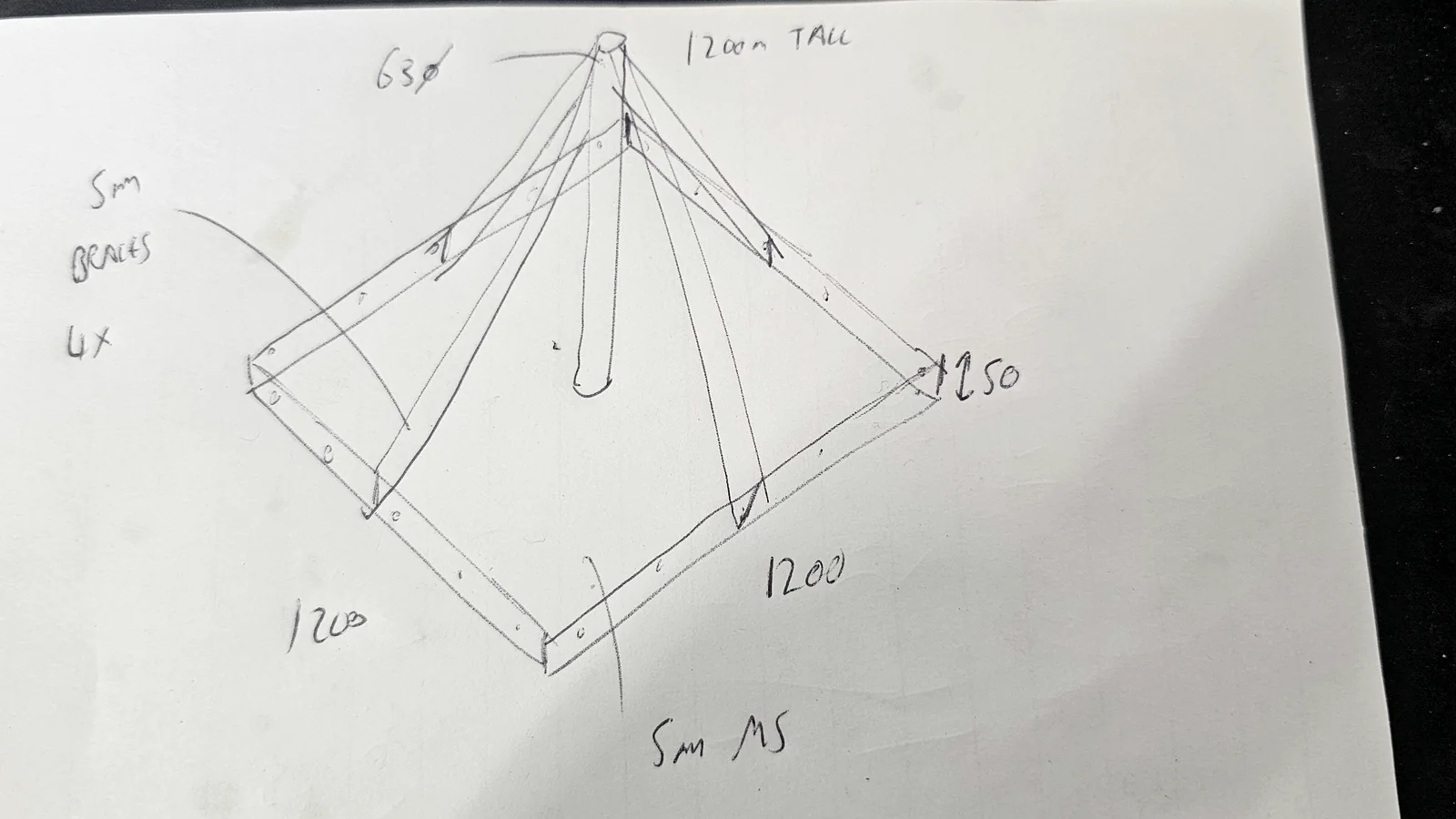
Send a DXF or DWG for flat profiles, a STEP model for folded work, or a dimensioned PDF drawing. For a bespoke or replacement part, a clear sketch, marked-up photograph or physical sample can be enough to start the conversation.
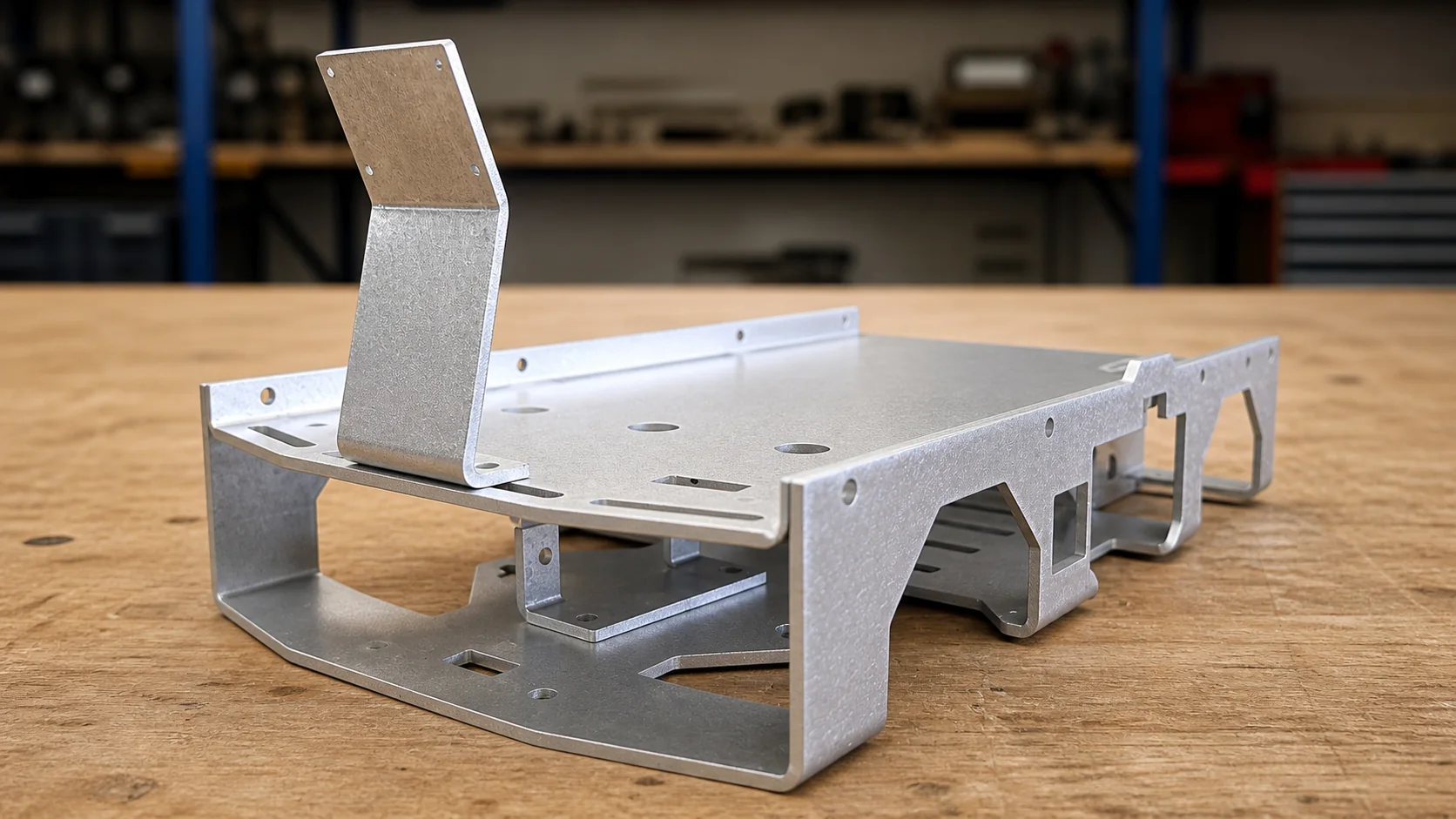
We review the geometry against the processes it needs—cutting, forming, tapping, countersinking, fixings, welding and finish—then confirm assumptions before manufacture. Where a drawing or model is part of the agreed job, you see it before material is committed.
When design support helps
It is especially useful for replacement parts with no original file, early prototypes, folded parts that have only been drawn flat, and assemblies where access, distortion or finishing clearances need to be considered.
If you already have production-ready files, we will not redesign them for the sake of it. The aim is a practical check and a reliable route, with questions raised early.
Design for manufacture
A few decisions made at the drawing stage can remove operations, improve consistency and reduce cost without changing what the part must do.
Define function and critical features
Tell us which faces, holes, datums, clearances and visible surfaces matter most. A drawing should separate genuinely critical dimensions from general geometry.
Design around the whole route
Bend radii, tool access, weld access, insert holes, coating thickness and assembly sequence all influence the flat pattern. Considering them together avoids late changes.
Use the simplest repeatable form
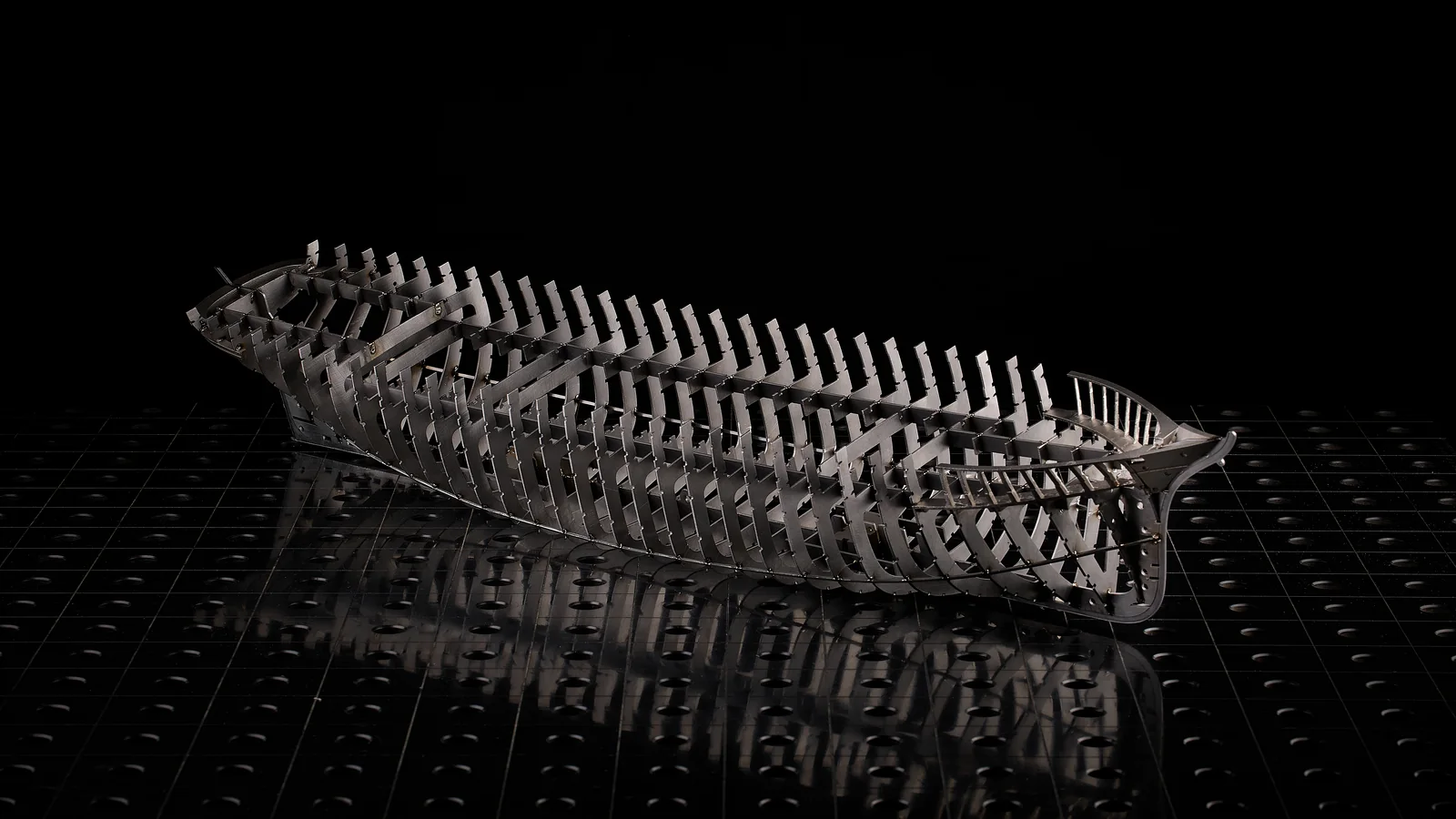
Common radii, sensible bend directions, tabs and slots, and fewer separate pieces can make an assembly quicker to build and easier to reproduce.
What to send
Flat laser parts: a 1:1 DXF or DWG with closed profiles and no duplicate lines.
Folded or assembled parts: a STEP model plus a PDF drawing showing critical dimensions, material, thickness and finish.
Early ideas: a sketch or photographs with overall sizes, what the item must do, likely quantity and where it will be used.
Approval before manufacture
We confirm the material, thickness, finish, quantity and manufacturing assumptions with the quote. For work we draw up, an approval stage gives you a clear point to check dimensions and intent before we cut.
Not sure what file you have? Send it anyway. We will tell you whether it is enough to quote, what is missing, and the quickest sensible next step.
Bring us the brief at whatever stage it is
A finished model is welcome, but it is not a requirement. Send the information you have and tell us what the part needs to achieve.